
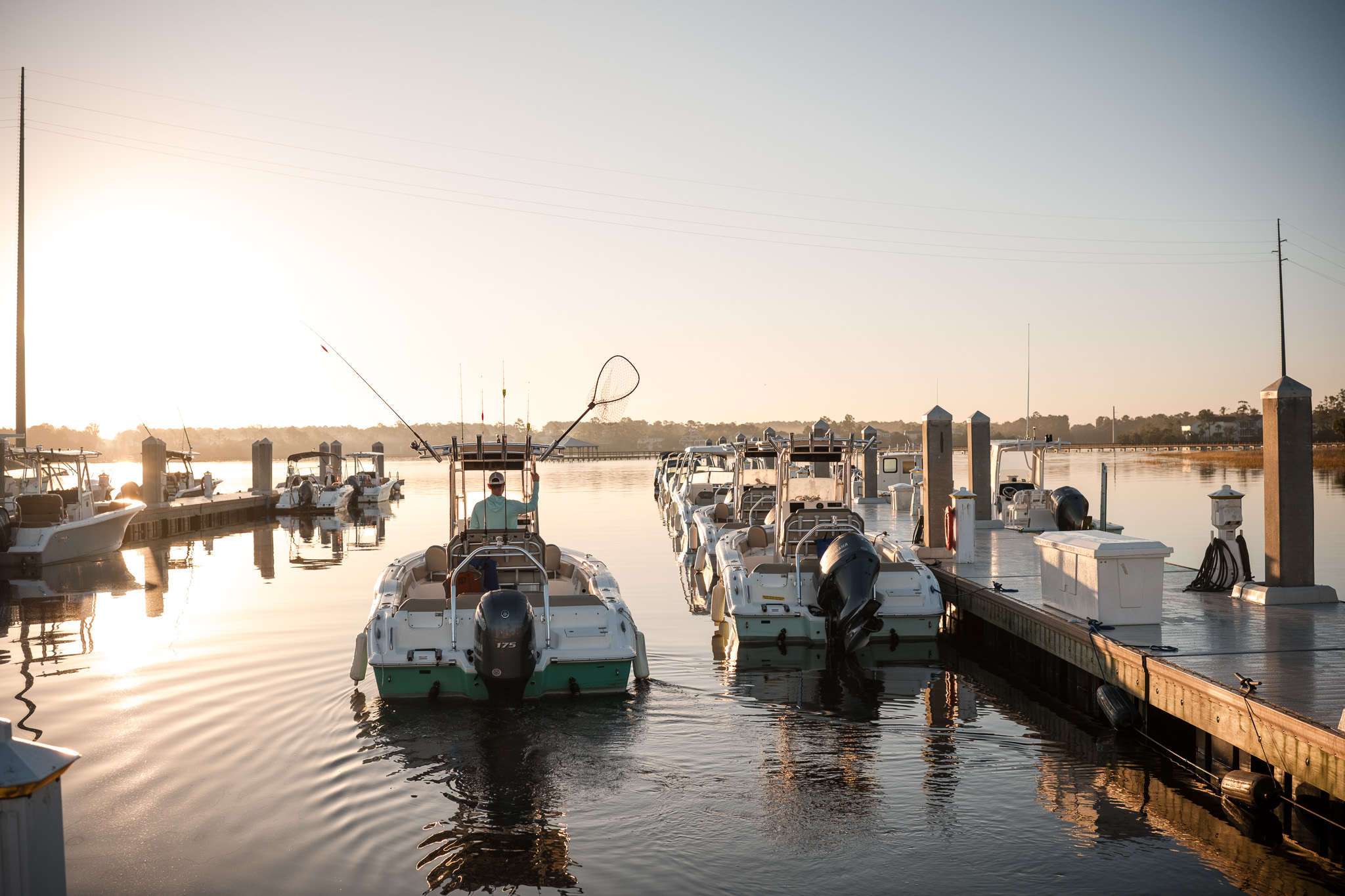
Boat clubs have become a popular alternative to boat ownership—and for good reasons. Members get access to a fleet of boats without worrying about storage, insurance, maintenance, or depreciation. When done right, a boat club delivers convenience, consistency, and a premium on-the-water experience.
But not all boat clubs are built on the same economic foundation. One of the most common marketing hooks you’ll see today is “No Initiation Fee.” While that might sound appealing at first glance, it’s often a warning, not a benefit.
The reality is simple: the economics of a boat club directly impact on the quality of the experience for every member. When the economics don’t work, satisfaction inevitably declines.
Here’s why a no–initiation-fee model should give prospective members pause.
________________________________________
Boat Clubs Are Capital-Intensive Businesses
A high-quality boat club operates more like a hospitality business than a rental operation. Boats are expensive, depreciating assets that require constant investment. That includes:
• Preventive maintenance and mechanical servicing
• Detailing, cleaning, and cosmetic upkeep
• Repairs from normal wear and unexpected damage
• Dock staff and operations teams
• Insurance, compliance, and marina costs
• Fleet refresh cycles to keep boats modern and desirable
These costs exist whether a club charges an initiation fee or not. The difference is how responsible the club funds them.
An initiation fee is not simply a “buy-in.” In a well-run club, it helps fund fleet quality, maintenance standards, and long-term sustainability—protecting the member experience over time.
________________________________________
What “No Initiation Fee” Usually Signals
When a club removes the initiation fee, it typically does so to reduce friction and drive signups faster. On the surface, that feels consumer-friendly. But from an operational standpoint, it often means the business must recover those lost funds elsewhere.
That usually leads to one (or more) of the following outcomes:
• Deferred maintenance
• Slower repairs
• Fewer cosmetic updates
• Older boats stay in service longer
• Leaner staffing and rushed turnovers
None of those show up in the marketing, but members feel them quickly.
________________________________________
The Hidden Cost: Lower Accountability and Higher Wear
An initiation fee creates more than revenue; it creates commitment. Members who make a meaningful upfront investment tend to be more respectful of shared assets. They understand that boats are not disposable and that carelessness impacts everyone.
When there’s little or no financial barrier to entry, clubs often see:
• More careless handling of boats
• Increased dock rash, upholstery damage, and avoidable wear
• Boats are being treated like short-term rentals instead of shared assets
That additional wear doesn’t just affect appearance—it increases repair frequency and downtime.
________________________________________
More Damage Means More Downtime
Every damaged boat must come out of the water. Repairs take time, parts, labor, and scheduling. When damage becomes more frequent, clubs face a growing operational burden that strains their resources.
Over time, this leads to:
• Boats spending more time in the shop
• Slower turnaround on fixes
• Small issues are being postponed until they become major ones
• A fleet that looks and feels tired sooner than it should
Even if members don’t see the balance sheet, they experience the result: fewer boats that feel “new,” clean, and ready to go.
________________________________________
The Financial Squeeze That Degrades the Experience
Here’s the uncomfortable truth: you can’t sustainably operate a premium boat club on bargain economics.
Without initiation fees, clubs often struggle to:
• Proactively replace aging boats
• Invest in preventative maintenance instead of reactive repairs
• Maintain consistent service standards
• Keep the fleet looking and performing at a premium level
As costs rise and margins tighten, quality is usually the first thing sacrificed.
________________________________________
The Real Impact on Members
When a club’s economics don’t support its promises, the experience erodes in predictable ways:
• Boats feel older faster
• Cleanliness and condition become inconsistent
• Maintenance issues become more common
• Confidence in the club declines
And once trust is lost, no discount can fix it.
________________________________________
Final Thought: Cheap Entry Isn’t the Same as Good Value
A boat club membership isn’t about finding the lowest upfront price—it’s about protecting the experience season after season.
When you see “No Initiation Fee,” the better question isn’t “What am I saving today?”
It’s “What corners might be cut tomorrow?”
Because the best boat clubs aren’t built to be the cheapest.
They’re built to ensure that when you show up to the dock, the boat is ready—and the experience lives up to the promise.


